September Newsletter 2026 - Lifestyle
2026-09-07
Victoria Mils
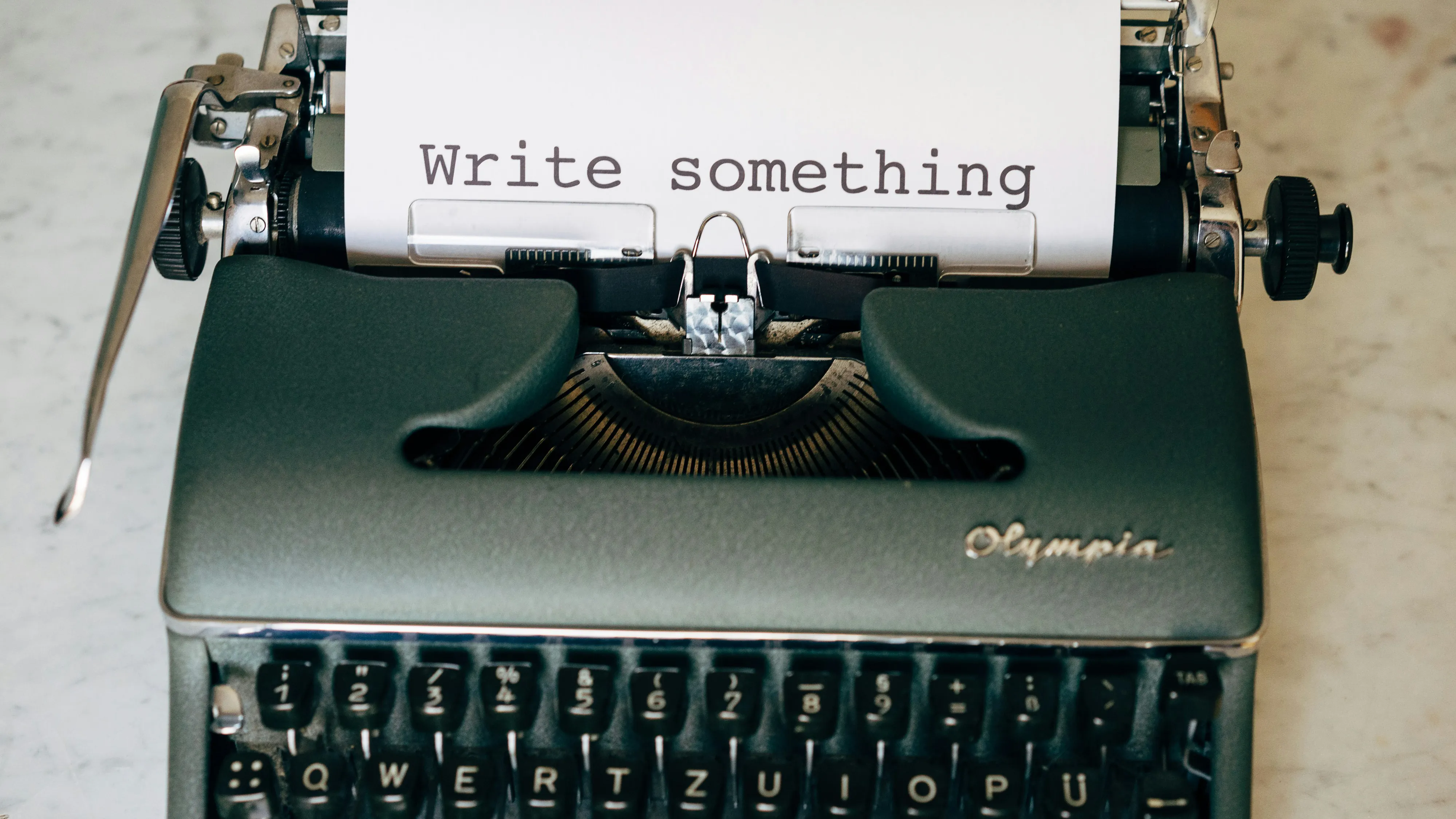
Writing can look completely different from one person to the next. Some writers need complete silence; others work best with music playing in the background. Some write for hours at a time, while others squeeze a few sentences into an already busy day. There isn’t one perfect writing routine, and that’s part of what makes the process interesting.
Ernest Hemingway - Write in the Morning
Ernest Hemingway was known for being an early riser. He preferred to write in the morning, when he felt his mind was fresh and there were fewer distractions. He often began writing around sunrise and continued until he reached a certain number of words or felt he had accomplished enough for the day.
Hemingway also had a habit of stopping while he still knew what would happen next. Rather than writing until he completely ran out of ideas, he would sometimes stop in the middle of his momentum. This gave him somewhere to begin the next day.
His approach was fairly simple: write while your mind is clear, know when to stop, and return tomorrow.
Maya Angelou - Create a Separate Writing Space
Maya Angelou had a particularly interesting writing ritual. Instead of writing at home, she often rented a small hotel room where she could work without distractions.
The room was deliberately plain. She would bring a dictionary, a thesaurus, a Bible, and her writing materials, but she avoided anything that might distract her. She even asked hotel staff to remove certain decorations from the room.
Angelou’s routine shows that a writing space doesn’t have to be beautiful to be inspiring. Sometimes, having fewer things around you can make it easier to focus on the one thing that matters.
Haruki Murakami - Follow a Strict Routine
Haruki Murakami is known for having one of the most disciplined writing routines. When he is working on a novel, he typically wakes up very early and writes for several hours in the morning.
After writing, he exercises, often running or swimming, and then spends time reading or listening to music. He follows this routine consistently, sometimes repeating it for months.
For Murakami, writing isn’t just about inspiration. It is about creating a rhythm and sticking to it.
Jane Austen - Write Wherever You Can
Jane Austen didn’t have a private writing studio or a quiet home office. She lived in a busy household and often wrote at a small table in the family sitting room.
She reportedly used a small piece of paper that could easily be covered if someone entered the room. Her writing life was much less private than that of many modern authors.
Despite these limitations, she wrote some of the most influential novels in English literature, including Pride and Prejudice and Sense and Sensibility.
Her routine is a good reminder that waiting for the perfect conditions isn’t always necessary. Sometimes, you simply have to write wherever you can.
Virginia Woolf - Have a Room of Your Own
Virginia Woolf took almost the opposite approach to Austen. In her famous essay A Room of One’s Own, she argued that women writers needed both financial independence and a private space in which to work.
Woolf often wrote standing at a tall desk rather than sitting down. She believed that changing her physical position helped her maintain energy and concentration.
Her writing routine reflected one of her larger ideas: having the freedom and space to think can be essential to creative work.
Charles Dickens - Take Long Walks
Charles Dickens was a remarkably productive writer, and walking was an important part of his routine.
He frequently took long walks, sometimes covering many miles a day. These walks gave him time to think about his stories and characters away from his desk.
For Dickens, writing wasn’t limited to the moments when he was physically holding a pen. Sometimes the actual work of writing happened while he was simply walking and thinking.
This is something many writers can relate to. An idea doesn’t always arrive while you're staring at a blank page. Sometimes it appears while you're doing something completely unrelated.
Agatha Christie - Write Anywhere
Agatha Christie didn't have a traditional writing routine either. She famously said that she could write anywhere, and she didn't necessarily need a dedicated desk or office.
She often came up with ideas while doing ordinary things, including household chores. Her plots could develop while she was washing dishes or doing other everyday tasks.
This makes sense for a mystery writer. Observation was everywhere. A conversation, a strange detail, or an ordinary situation could become the beginning of an entire story.
Stephen King - Make Writing a Habit
Stephen King approaches writing almost like a daily job. He has emphasized the importance of writing consistently rather than waiting for inspiration.
He aims to write around 2,000 words a day, including on holidays and birthdays. His philosophy is that writers improve by showing up and doing the work.
It is an approach that sounds simple, but it can be surprisingly difficult. Inspiration might come and go, but a habit gives you something to rely on when inspiration doesn’t show up.
So, What Can We Learn From Them?
The interesting thing about these writers isn’t that they all had perfect routines. In fact, their routines were completely different.
Hemingway wrote early in the morning. Murakami follows an extremely structured schedule. Angelou created a distraction-free environment. Austen wrote in the middle of a busy household. Dickens walked for miles, while Christie found ideas in everyday life.
There is no single ritual that guarantees good writing.
What these writers have in common is that they found ways to make writing a regular part of their lives. Their routines gave them a way to return to their work again and again.
But maybe the lesson isn’t to copy Hemingway’s mornings or Murakami’s schedule. It’s to simply figure out what makes you want to sit down and write. A cup of tea. A favourite notebook. A certain playlist. A quiet corner. A walk around the block.
The ritual doesn’t have to be impressive. It just has to get you back to the page.
Copyright © 2025 The Inkwell Society. All rights reserved.
Privacy, Copyright, and Submission Policy