The Writers Lab - Episode 1
May 14, 2025
Victoria Mils
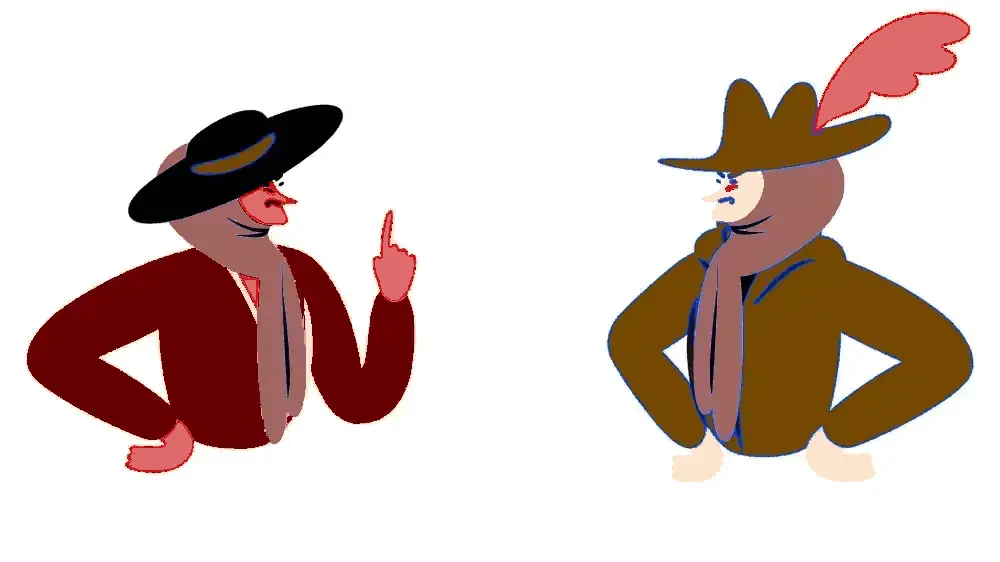
There are always two sides to a character, isn’t there? Well today, we’ll be talking about THE double-edged sword, also known as the topic discussing on good traits gone bad, and bad traits gone good.
We often label personality traits as either "good" or "bad." Kindness? Good. Anger? Bad. Confidence? Good. Stubbornness? Bad. But in storytelling, and in life, traits are rarely that simple. The same quality that makes a character likable can also become their greatest flaw, while a so-called “negative” trait can be their unexpected strength.
When Good Traits Go Bad
Ambition - Ambition can turn dangerous when it morphs into ruthlessness. A person’s drive to succeed may become so overpowering that they no longer care about the effect their actions have on others.
Bravery - Bravery can turn into recklessness, where the character takes dangerous risks without considering the consequences. They may become overly confident, thinking they can always succeed or survive, which leads them into danger, potentially death.
Generosity - Generosity can turn into people-pleasing, where the person gives to others at the risk of their own needs and desires. They may become overextended, trying to satisfy everyone’s needs while ignoring their own.
Loyalty - When loyalty goes wrong, it turns into blind obedience. The person follows orders without questioning the consequences. This can lead to false relationships, betrayal, or harming others in the name of their loyalty.
When Bad Traits Go Good
Fear - Fear is an emotion that can stop someone from taking necessary risks or making decisions. When fear transforms into caution, it becomes a useful trait. Caution involves being mindful and aware of potential risks, taking time to plan situations before making decisions, which can help avoid unnecessary harm.
Stubbornness - Stubbornness can make someone resistant to change, refusing to listen to others even when they’re wrong. But, if you flip it around, it can lead to determination, allowing them to stand firm and persist despite challenges.
Cynicism - Cynicism can make someone untrusting and closed off to new possibilities. However, when balanced, cynicism can turn into realism and critical thinking, allowing someone to see through lies and avoid pitfalls.
Envy - Envy is often seen as a negative trait, leading to unhealthy competition and bitterness. However, when transformed, envy can become a powerful motivator for self-improvement and inspiration.
Why This Works in Storytelling
Realistic Growth: People are neither 100% good nor bad, flaws and strengths coexist.
Emotional Engagement: Readers relate to struggles with pride, fear, ambition, etc.
Unpredictability: It keeps the character arc exciting and avoids clichés.
Example 1: The Fallen Hero
A loyal knight begins as an honorable protector (loyalty = good).
As their king becomes more ruthless, the knight still obeys (loyalty → blind obedience = bad).
After witnessing injustice, they rebel (loyalty → devotion to justice = good again).
Example 2: The Redeemed Villain
A selfish thief only cares about money (greed = bad).
They get caught up in a noble cause and start using their skills for good (greed → resourcefulness = good).
However, their past haunts them, and their old habits threaten to come back (constant struggle between old & new self).
And so, before you see a personality trait straight off when you read it, do not be so quick to judge.
Copyright © 2025 The Inkwell Society. All rights reserved.
Privacy, Copyright, and Submission Policy